

 Home
Home
 Fr
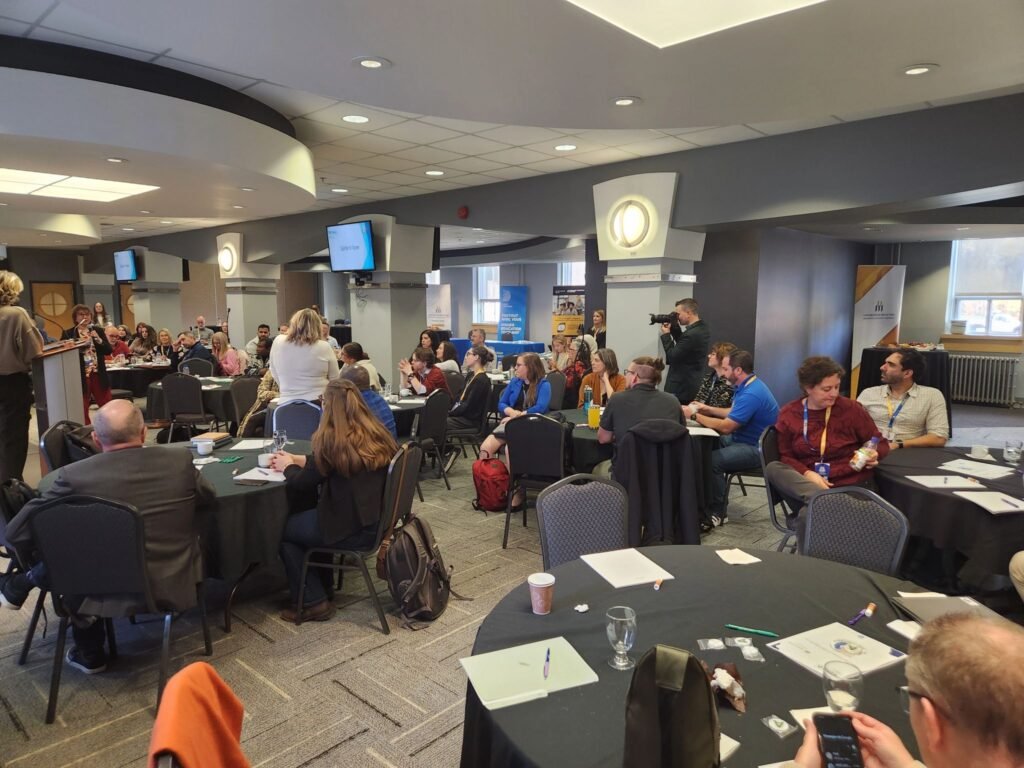
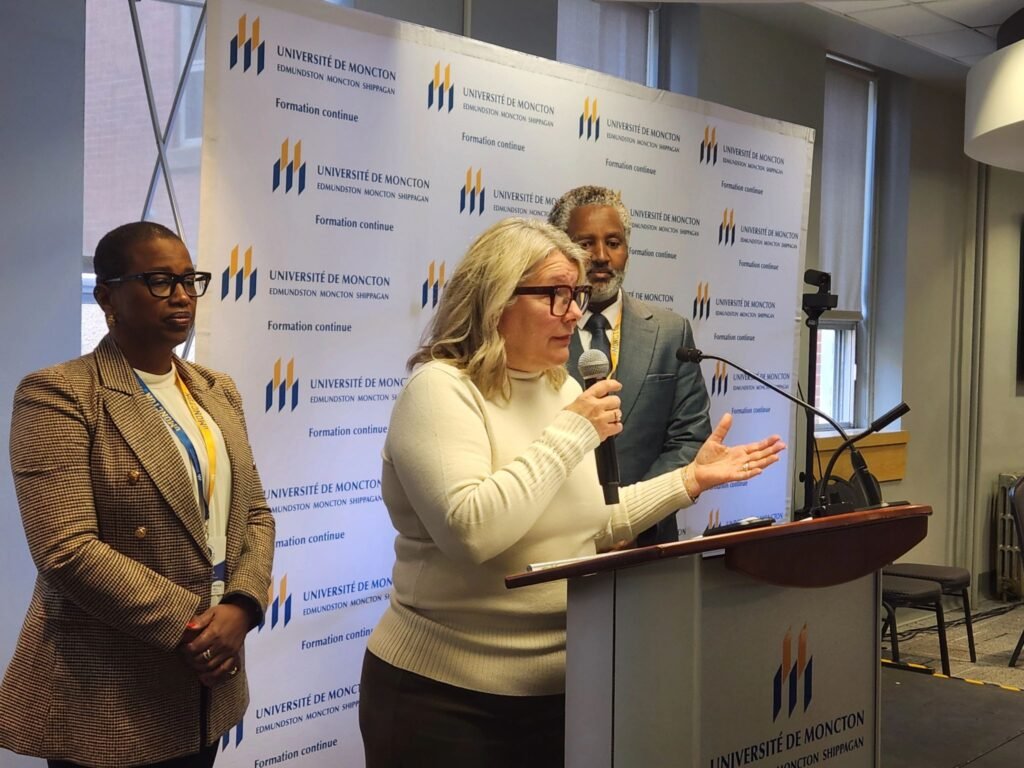
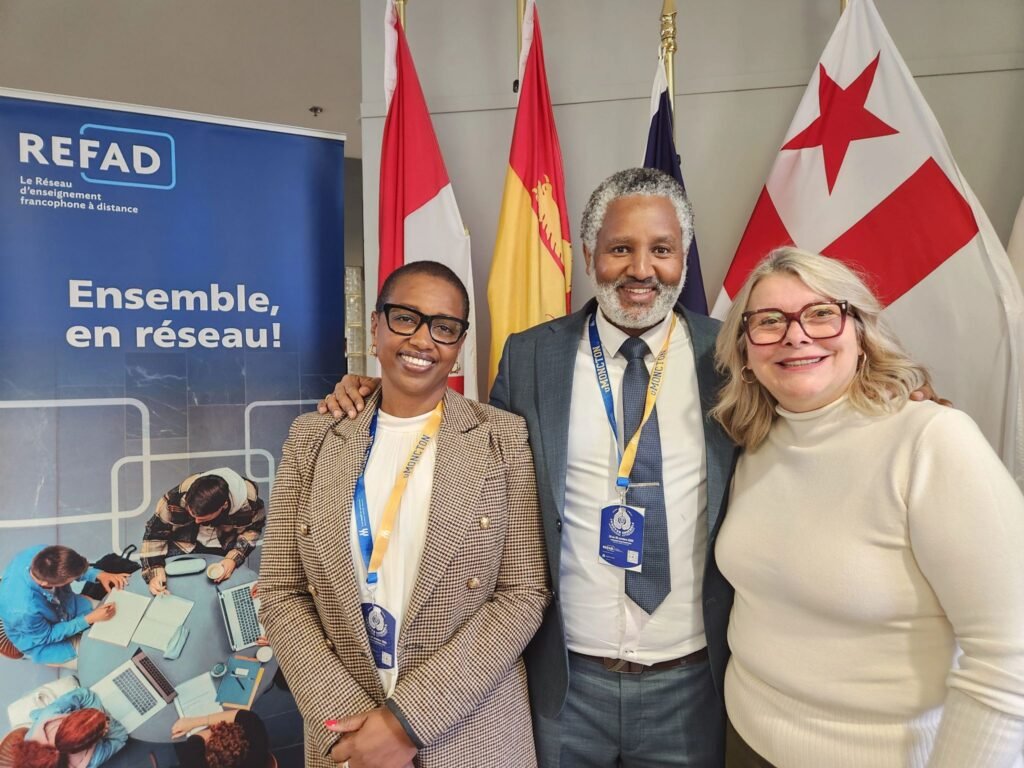
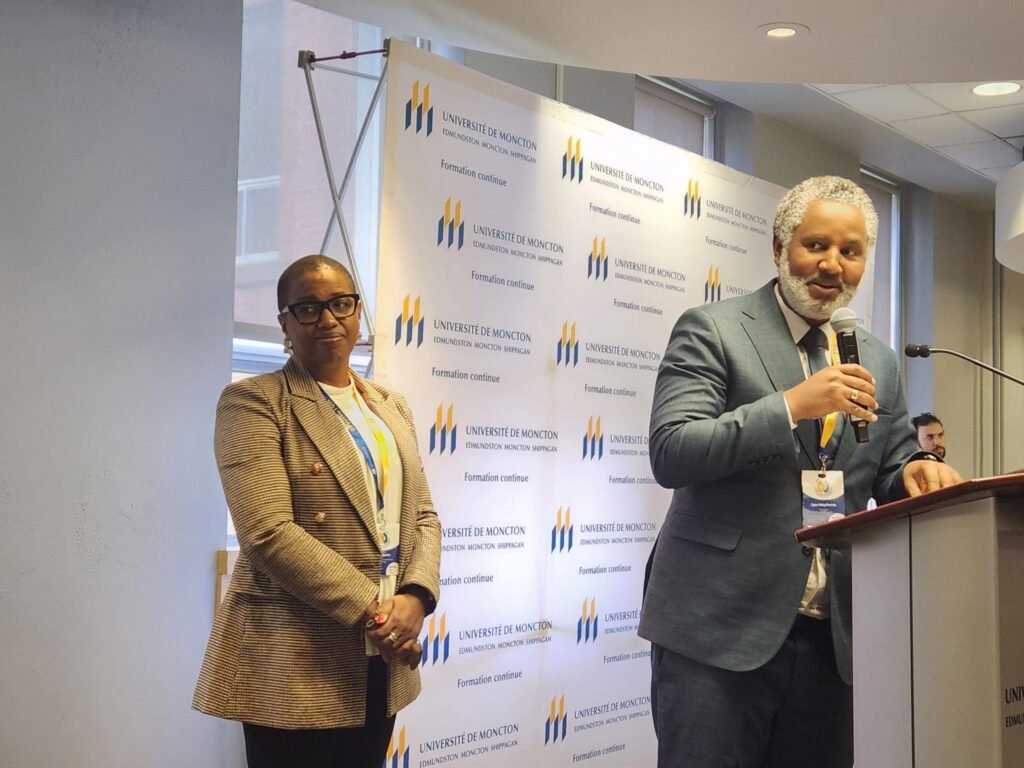
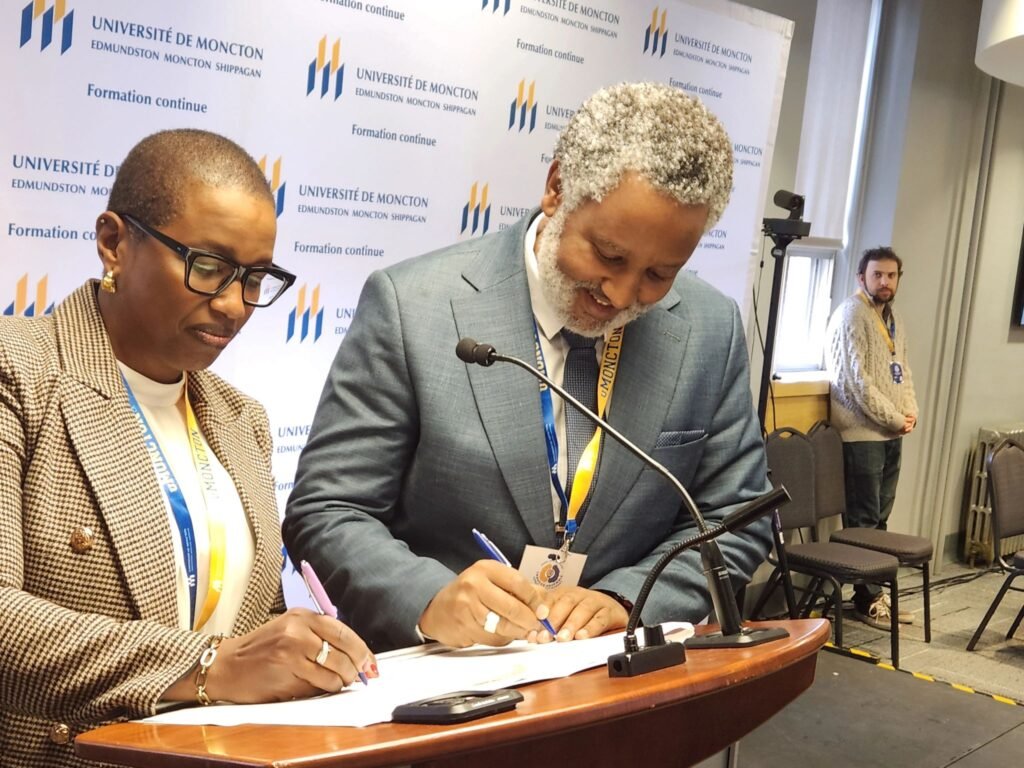
FrDuring the Annual Gathering of the Réseau d’enseignement francophone à distance (REFAD) held at the University of Moncton, RECADEC East Africa took a major step forward by signing a Memorandum of Understanding (MoU) with REFAD. This strategic agreement aims to strengthen academic cooperation between Canada and East Africa, placing distance learning and digital pedagogy at the heart of this collaboration.
A Partnership Under the Theme “Building North-South Bridges”
This MoU reflects an ambitious vision: creating lasting educational bridges between the Global North and South within the Francophonie. Through this partnership, RECADEC East Africa and REFAD commit to:
- Enhancing digital pedagogy skills for teachers in East Africa;
- Developing collaborative research projects between Canadian and African universities;
- Promoting the exchange of experiences and best practices in distance education.
Cooperation Based on Co-Creation and Inclusion
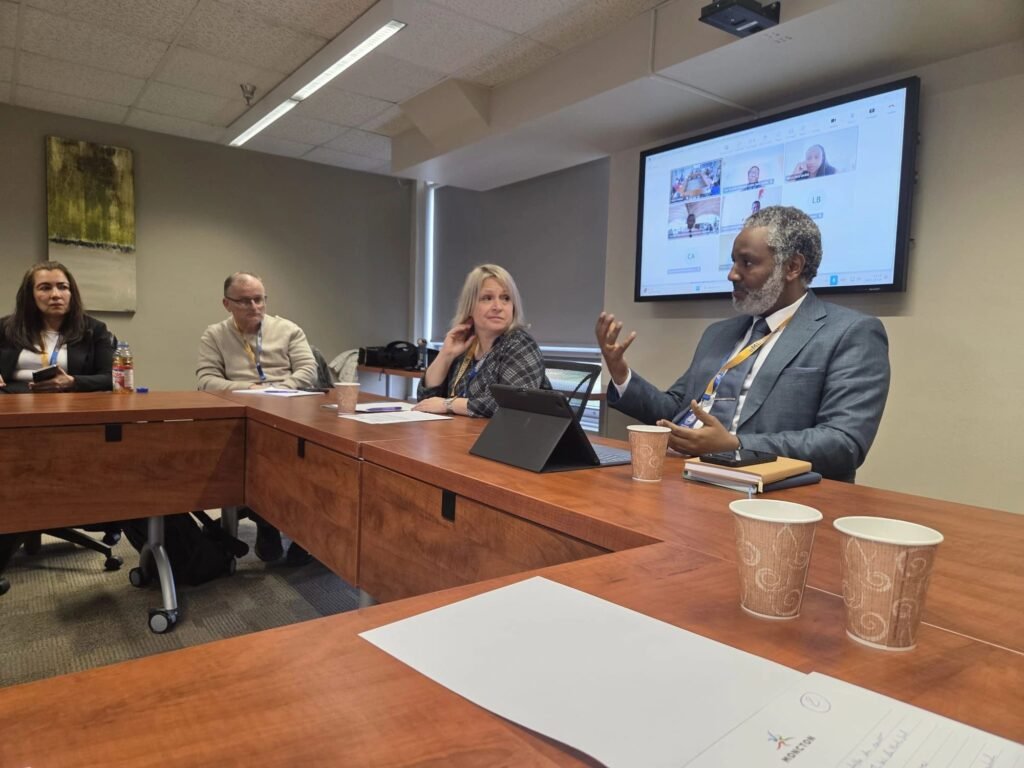
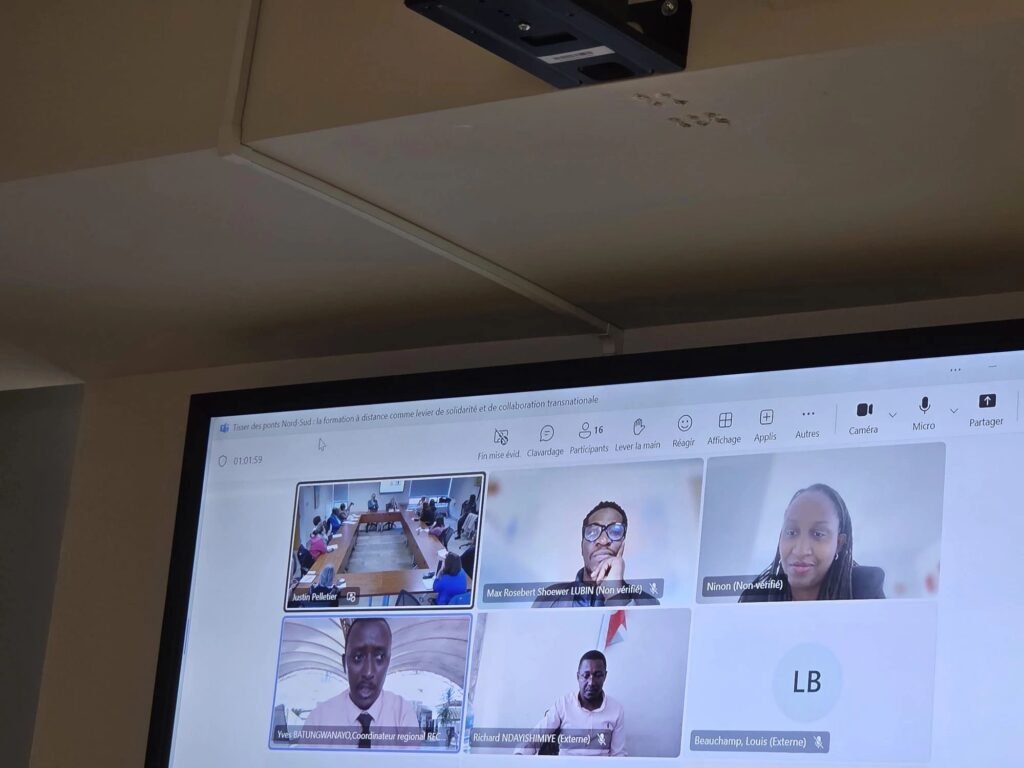
During the thematic session “Building North-South Bridges: Distance Learning as a Lever for Solidarity and Transnational Collaboration”, RECADEC East Africa representatives – Dr Yves Ndayikunda, Ninon NDAYIKENGURUKIYE, and Yves Batungwanayo – advocated for an innovative approach to academic cooperation. This approach values local realities, encourages co-creation, and promotes collaborative research tailored to African contexts.
Special Thanks to Key Contributors
We extend our sincere gratitude to:
- Lise Niyuhire, President of REFAD;
- Judith Charest, Executive Director of REFAD;
- Élodie Teulier, for outstanding coordination.
Thanks to their leadership, this partnership paves the way for concrete actions toward an inclusive, open, and international Francophone education.
What’s Next?
This MoU is just the beginning. Strategic meetings are planned with major stakeholders in Canada and internationally to:
- Strengthen collaborative research;
- Develop digital skills;
- Foster shared innovation.
At a time when distance learning and educational technologies are becoming essential pillars of quality education, this collaboration marks a decisive step toward a more connected, equitable, and inclusive future.